Circadian Science
Circadian science for healthcare and everyday life.
I explore how light, sleep timing, circadian rhythms, nervous system regulation, and the built environment influence alertness, recovery, and overall well-being.
This website shares educational resources, research, and reflections for healthcare professionals, shift workers, students, and anyone interested in the science of sleep and circadian health.

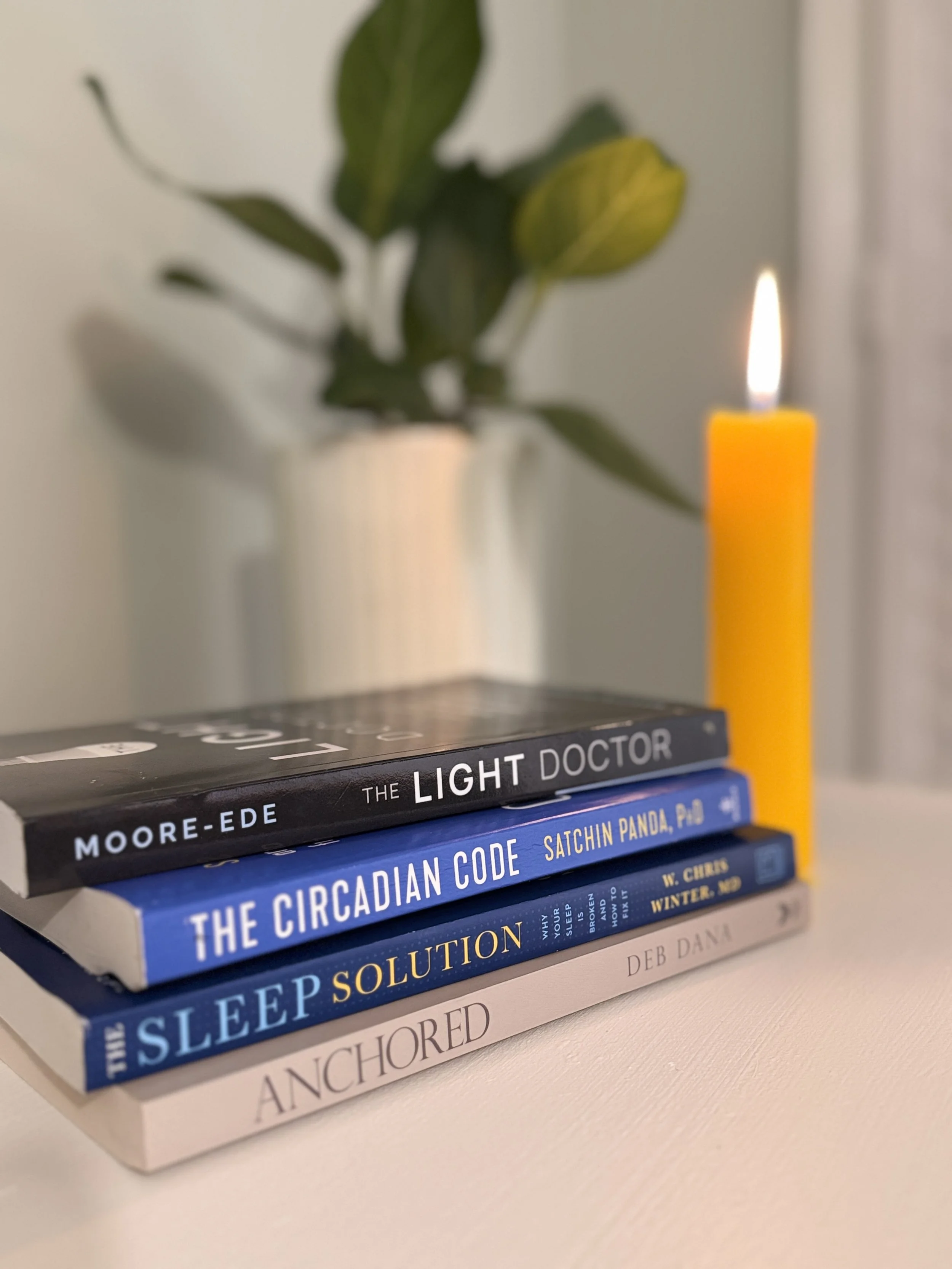
Recognized by the Researchers Behind the Science
"I especially appreciate the way you're translating this research into practical care through a nursing lens. That's where real change happens."
— Dr. Martin Moore-Ede, MD, PhD
Author of The Light Doctor
Harvard-trained circadian scientist
Former Director, Division of Sleep Medicine
For more than 24 years, I've cared for patients as a Licensed Practical Nurse. My interest in circadian science grew from those clinical experiences and continues to evolve through ongoing study, research, and education.
I'm passionate about translating peer-reviewed circadian and sleep research into clear, practical information that supports healthcare professionals, students, shift workers, and anyone interested in better understanding the science behind daily health.
The Circadian Home Podcast
The Circadian Home Podcast
Some of the most important health information never makes it into clinical training.
The Circadian Home Podcast exists to change that.
Nurse-led conversations on circadian rhythm, sleep biology, environmental design, and nervous system regulation — made for shift workers, healthcare professionals, and anyone who has ever wondered why doing everything right still leaves them exhausted.
No fluff. No oversimplified wellness advice. Just honest, science-informed conversations grounded in 24 years of clinical experience and a deep respect for how complex and capable the human body actually is.
New episodes on Spotify and Apple Podcasts.
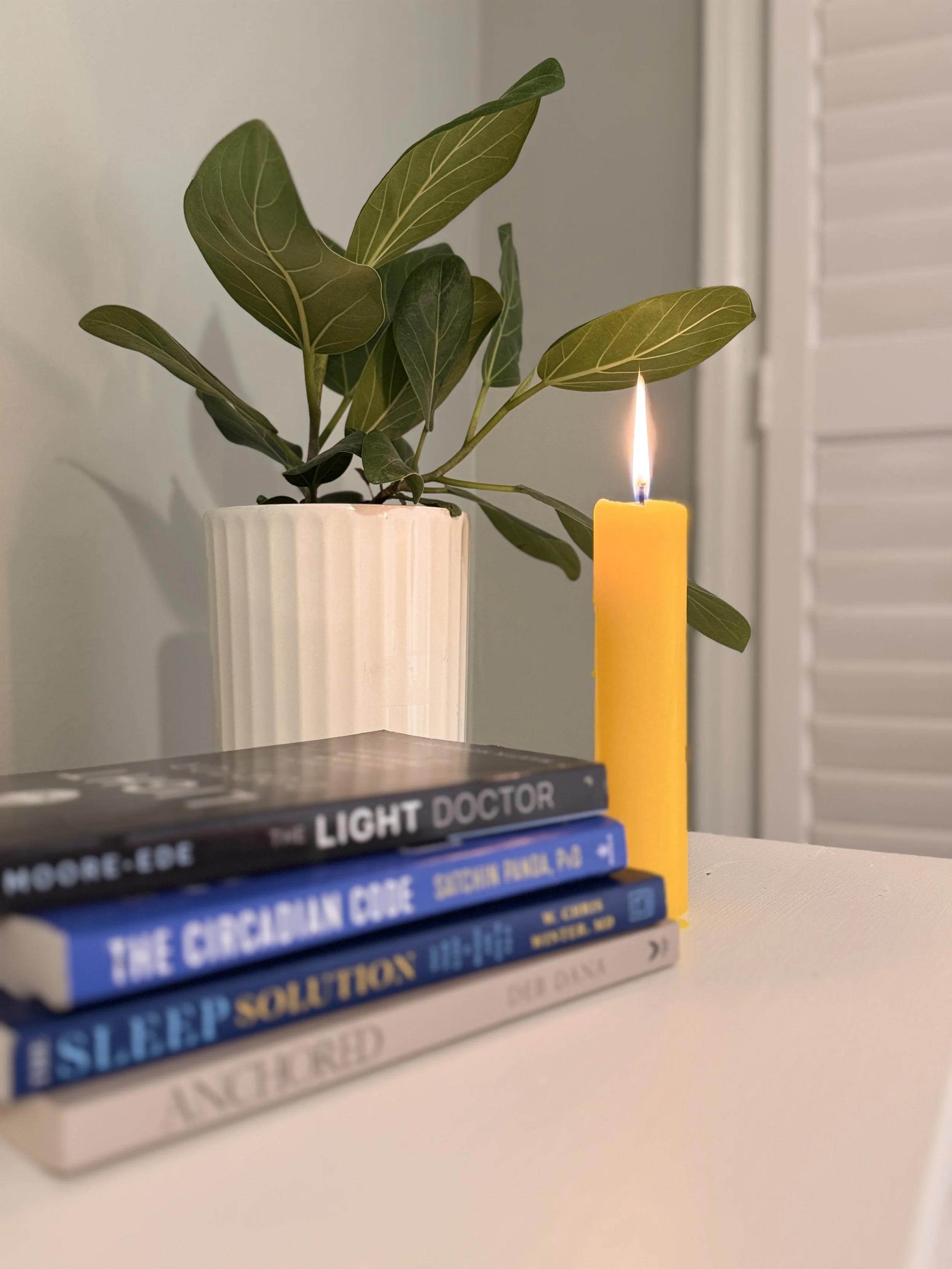
The Circadian Home™
An educational framework I developed to explore the relationship between circadian biology, clinical experience, and everyday life.
The Circadian Home™ is my evolving framework for understanding how multiple biological and environmental factors work together to influence sleep, alertness, recovery, and overall well-being. It brings together concepts from circadian science, sleep research, and more than 24 years of clinical nursing experience into a practical way of thinking about health.
The framework is built around five interconnected elements:
Light & Circadian Timing
How light exposure influences the body's internal clock and biological rhythms.
Daily Rhythms
The importance of consistent daily patterns that support healthy circadian function.
Nervous System Regulation
How stress, recovery, and nervous system balance affect sleep and overall health.
Environmental Design
The role our home and work environments play in supporting—or disrupting—our biological rhythms.
Restorative Sleep
Looking beyond sleep duration to the quality, timing, and restorative value of sleep.
The Circadian Home™ continues to evolve as I learn, study, and engage with current research. It serves as an educational framework for exploring circadian health and encouraging thoughtful conversations about the science of sleep.
From Night to Day: A Learning Framework
Sleep is not only a nighttime event. It is influenced by signals across the entire day.
This educational framework organizes the science into five areas:
Sleep Timing — how sleep and wake timing interact with the body clock.
Light and Circadian Alignment — how the timing, intensity, and spectrum of light influence circadian signals.
Daily Rhythm — how consistent patterns of activity, meals, and recovery help the body anticipate what comes next.
Home and Work Environment — how surroundings can support alertness, rest, and transitions between them.
Sustainable Alertness and Recovery — how circadian principles can inform healthier conversations about demanding schedules.
This framework is a tool for understanding research.
Who These Resources Are For
These resources are created for shift workers, healthcare professionals, students, caregivers, educators, and anyone curious about why timing matters to sleep and health.
The goal is to make circadian science easier to understand without reducing it to slogans or one-size-fits-all advice. Topics include light exposure, sleep timing, rotating schedules, fatigue, nervous system regulation, and supportive environments.
Education here is general and should complement—not replace—care from a qualified healthcare professional.
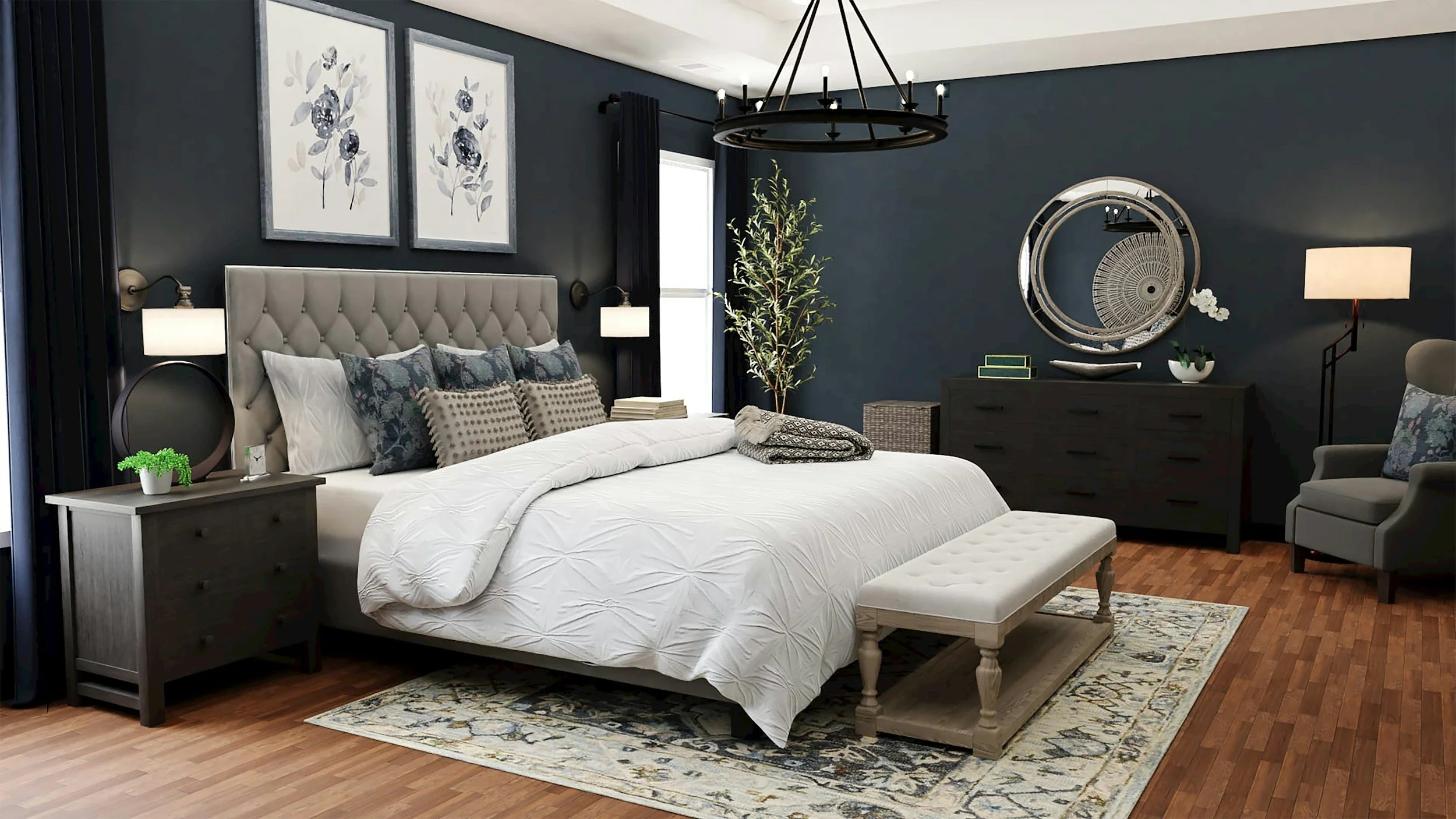
Environmental Design & Biophilic Influence
Your home is not a neutral space.
Every room you move through sends signals to your nervous system — through light, color, texture, sound, and the presence or absence of natural elements. Those signals influence whether your body feels alert, calm, or chronically overstimulated.
Most people have never been taught to read those signals. They have simply learned to push through them.
Through The Circadian Home™ framework, environmental design and biophilic principles are used to help create spaces that work with your biology rather than against it. Natural light exposure at the right time of day. Calming visual environments that allow the nervous system to downshift. Nature-inspired elements that reduce sensory overload and support the body's transition between focus, recovery, and rest.
This is not interior decorating.
It is biology-informed environmental design — and it is one of the most underutilized tools available to shift workers and high performers who want to sleep better and think more clearly without adding another supplement or sleep tracker to their routine.

Education & Professional Learning
The Circadian Home is an educational platform focused on circadian rhythm, sleep biology, shift work, nervous system regulation, and the role of the built environment.
Materials are designed to support learning and professional discussion among healthcare workers, students, educators, and community audiences.
For speaking, educational collaboration, or questions about the research shared here, please use the Contact page.